
The flagship project
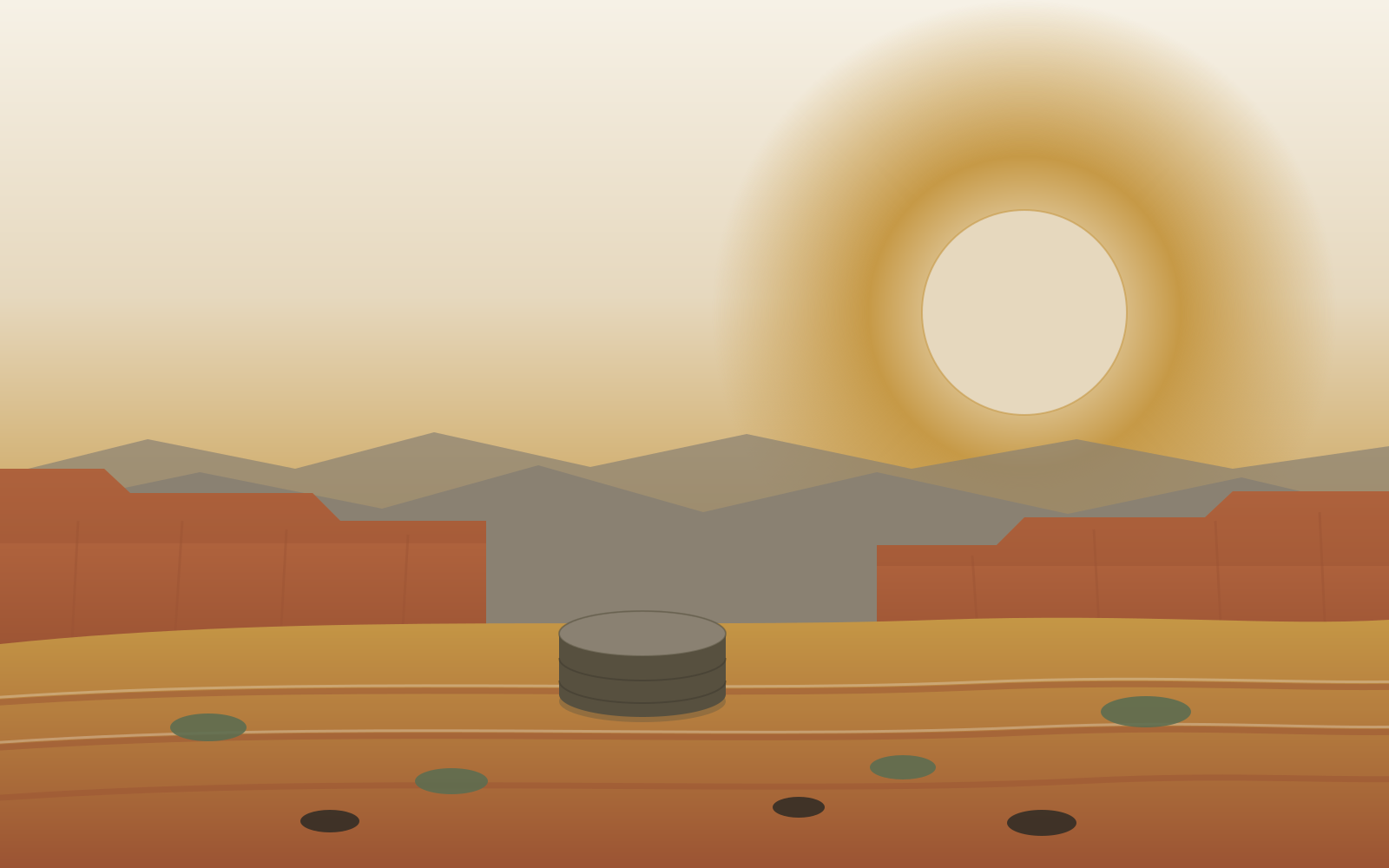
Sun Mesa Desert Regeneration
A personal, land-based project in the Yucca Valley & Joshua Tree area — a gathering place, demonstration site, and friendship network.
What this project is
A place to build, grow, and connect
Sun Mesa is not an intentional community. It is a place to:
- Build a real, permitted natural / passive / low-energy home
- Create low-water food forests and resilient desert landscapes
- Host workshops with experienced teachers
- Offer longer work-exchange stays
- Connect local friends, visitors, builders, gardeners, and healers
- Support people in creating their own regenerative projects
- Strengthen friendship, belonging, and local connection
The land is not meant to become a permanent residential community. The future home will remain a private sanctuary. The larger vision is a network of people who support one another’s projects while keeping their own homes, independence, and lives.
Why the desert
Most people see limitation. We see possibility.
The Mojave teaches patience, respect, and intelligent design. Water matters. Shade matters. Soil matters. If we can create food forests, natural buildings, water-harvesting systems, and healthier soil here, the lessons can inspire people almost anywhere.
What can abundance look like in a dry place?
How can homes be beautiful, low-impact, and comfortable?
How can people reconnect with land and with each other?
How can one small desert project become a seed for many others?
The natural home
Help build a real home — not a practice shed
Many natural-building workshops build small demo structures. This project offers something deeper: the chance to help create an actual livable home — a practical, beautiful, low-maintenance single-story house of about 700–800 square feet, using natural, passive, and low-energy principles.
Participants may learn about:
- Design decisions
- Permitting
- Site preparation
- Natural materials
- Passive heating & cooling
- Wall systems
- Insulation
- Finishes
- Water-wise landscape integration
- Food forest around the home

Roughly 700–800 sq ft · single-story · natural, passive & low-energy
Permaculture & regeneration
Listen to the place, then design
The goal is not to force a lush tropical garden into the desert. It is to listen to the place and design intelligently.
- Water harvesting
- Cisterns & water security
- Earthworks where appropriate
- Soil building
- Compost & mulch systems
- Wind protection
- Shade strategies
- Fire-conscious planting
- Desert-adapted edibles
- Low-water food-forest design
- Wildlife-aware design
- Long-term low-maintenance systems
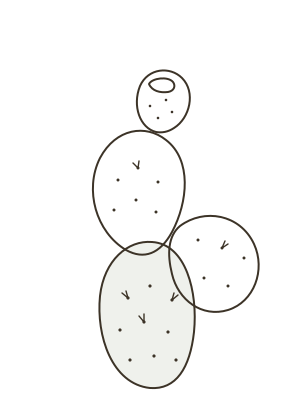
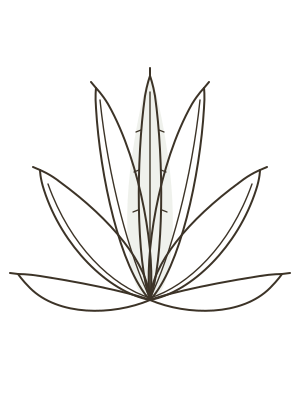
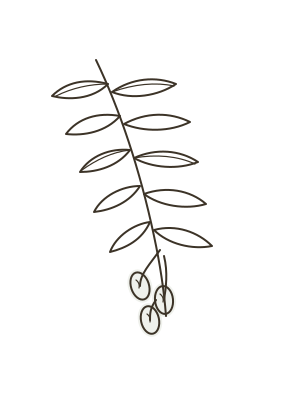
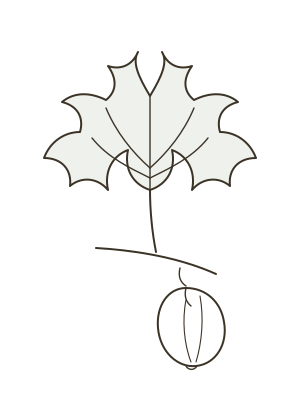
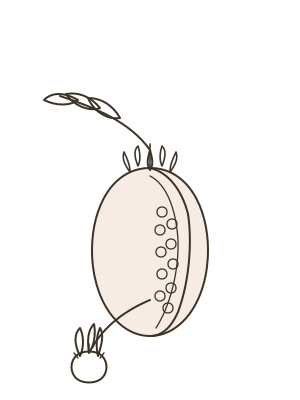
Desert-adapted edibles
El Dorado House
The base camp
The El Dorado house serves as the initial base for hosting, workshops, and longer stays — two bedrooms, an outdoor office space, and a large garage-like living room with heating and air conditioning. It has already hosted a group workshop with many people staying overnight.
It supports:
- Weekend workshops
- Longer work-exchange stays
- Visiting teachers
- Small gatherings
- Planning sessions
- Shared meals
- Rest and recovery after work on the land
Looking ahead
Small actions matter.
This project is not about promising to save the world. It is about creating one beautiful, grounded, authentic place where people can experience a healthier, more connected way of living.
Planting a tree matters. Sharing a meal matters. Introducing two people who become lifelong friends matters. Over time, those seeds grow.
The land and future home are also a private sanctuary — healthy connection requires healthy boundaries.